How Much Exercise Do You Need? Guidelines in Plain Words
The US and NHS activity guidelines in plain words: how many minutes a week, how hard, how to count any activity, and how to build up from little or nothing.
Adults need at least 150 to 300 minutes a week of moderate-intensity aerobic activity, or 75 to 150 minutes a week of vigorous activity, or a mix of the two, according to the US Physical Activity Guidelines. Add muscle-strengthening work on 2 or more days a week. That is the short answer. The rest of this page explains what counts, how hard it should feel, and how to fit it into a real week, especially if you are starting from little or nothing.
The guidelines side by side
The US Physical Activity Guidelines (2nd edition, 2018), the CDC and the NHS agree on the basics. Here is how the advice compares.
| Guideline | US Physical Activity Guidelines / CDC | NHS (adults 19 to 64) |
|---|---|---|
| Aerobic activity | 150 to 300 minutes a week moderate, or 75 to 150 minutes a week vigorous, or an equivalent mix | At least 150 minutes moderate or 75 minutes vigorous a week |
| Muscle-strengthening | 2 or more days a week, all major muscle groups | At least 2 days a week, all major muscle groups |
| Spreading it out | Any length of activity counts toward the weekly total | Spread evenly over 4 to 5 days a week or every day |
| Sitting | Move more and sit less | Reduce time spent sitting |
| Older adults (65+) | Add balance training; if a chronic condition rules out the full guideline, be as active as abilities and condition allow | Covered by separate NHS guidance for older adults |
| Pregnancy and postpartum | At least 150 minutes moderate a week if your health care provider agrees | Ask your doctor or midwife what is right for you |
One way to reach 150 minutes is 30 minutes a day, 5 days a week. Activity beyond 300 minutes a week of moderate intensity brings additional health benefits.
What counts as exercise
Aerobic activity is anything that makes your heart beat faster and your breathing quicker. The CDC gives examples of moderate-intensity activity: walking briskly (2.5 mph or faster), water aerobics, bicycling slower than 10 mph on level ground, doubles tennis, ballroom dancing and general gardening. Vigorous examples include jogging or running, swimming laps, bicycling 10 mph or faster, singles tennis, jumping rope and hiking uphill.
Muscle-strengthening activity means working the major muscle groups: legs, hips, back, abdomen, chest, shoulders and arms. That can be free weights, weight machines, resistance bands, bodyweight exercises such as squats and push-ups, or heavy gardening.
Everyday movement counts too. Taking the stairs, walking to the store, or a short walk after lunch all add up. The guidelines dropped the old rule that activity had to come in bouts of at least 10 minutes. Activity of any length counts toward the weekly total.
How hard should it feel?
Moderate intensity means breathing faster and your heart beating faster. You can talk, but not sing. Vigorous intensity means breathing hard and fast; you cannot say more than a few words without pausing for a breath. The talk test is the simplest guide. For heart-rate zones and more detail, see how hard should cardio feel? The talk test and heart rate zones.
The same activity can be moderate for one person and vigorous for another. A brisk walk may be moderate for a regular walker and vigorous for someone just starting. That is normal. Start where you are.
Any length counts: building up from little or nothing
If you are currently inactive, begin with lighter activity and build up the amount and intensity over weeks and months. Start below your limit. A few minutes of walking, a short swim, or a gentle water aerobics session all count. The guidelines say some physical activity is better than none, and adults who sit less and do any amount of moderate-to-vigorous activity gain some health benefits.
A simple way to build up: add a few minutes to one or two sessions each week, or add one extra short session. Over time, the weekly total grows. The key is to keep going rather than to do a lot at once.
Fitting a week together
Here are sample weeks that meet the guidelines. They are examples, not a prescription. Adjust to your schedule and what you enjoy.
| Day | Sample week A (moderate focus) | Sample week B (mixed intensity) |
|---|---|---|
| Monday | 30-minute brisk walk | 25-minute swim laps (vigorous) |
| Tuesday | 30-minute water aerobics | Rest or gentle walk |
| Wednesday | 30-minute brisk walk | 30-minute water aerobics |
| Thursday | Rest | 25-minute swim laps |
| Friday | 30-minute brisk walk | 30-minute brisk walk |
| Saturday | 30-minute walk with a friend | 30-minute walk with a friend |
| Sunday | Rest | Rest |
Week A gives 150 minutes of moderate activity. Week B mixes vigorous swimming with moderate walking and water aerobics. Neither table shows strength work: add two short strength sessions on 2 or more days a week, with at least 48 hours between sessions for the same muscle group. For a sample strength schedule, see a beginner strength workout plan: sample weekly schedules.
Walking is the easiest way to start. Walking for fitness: how to make walking count as exercise explains pace and how to progress.
Swimming and low-impact cardio
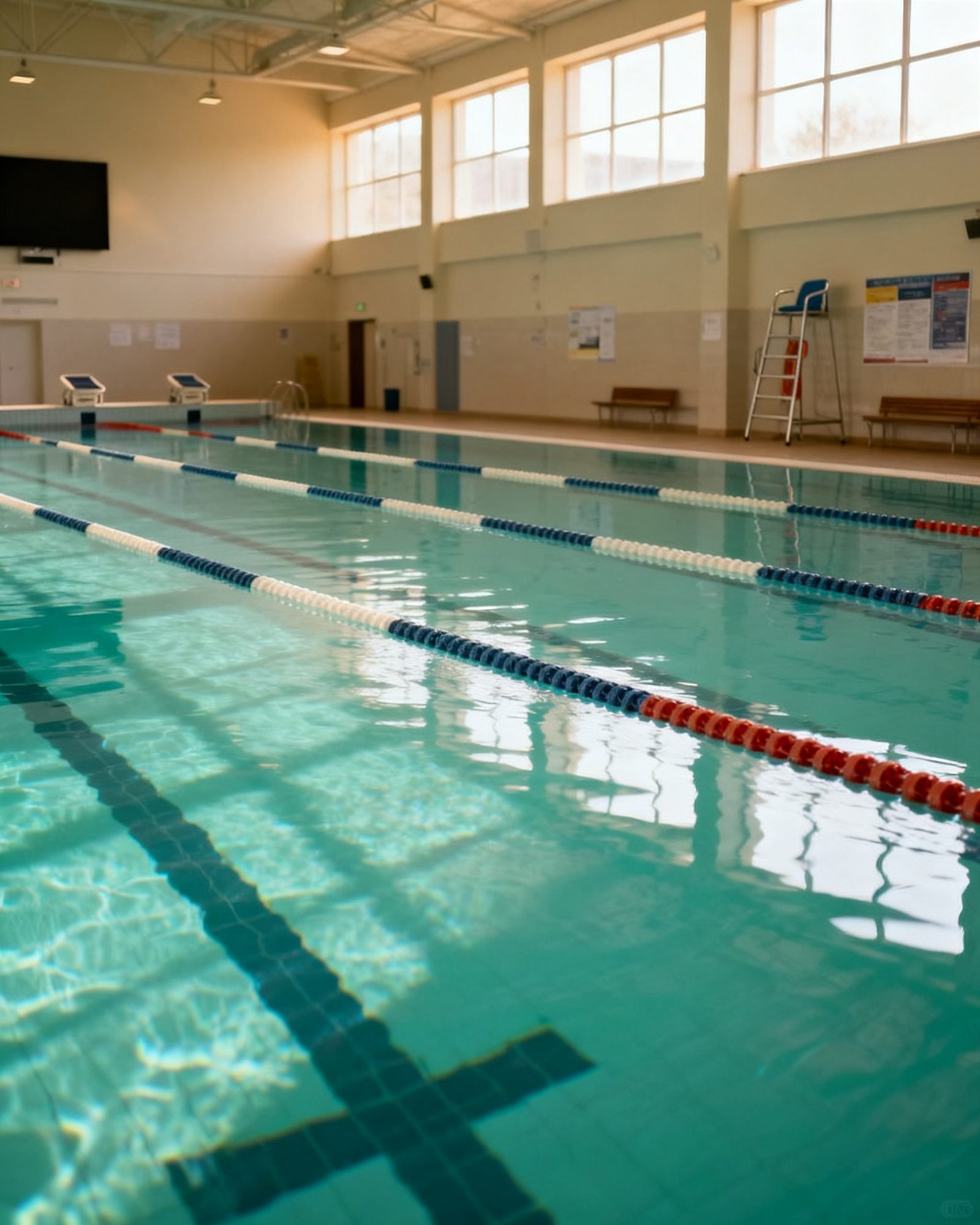
Swimming and water exercise are good options because water supports part of your body’s weight, which reduces the load on the joints, and its resistance makes movement work the muscles. Swimming laps is listed by the CDC as vigorous activity; water aerobics is moderate. Both count toward your weekly minutes.
If you are new to the pool, swim where a lifeguard is on duty and do not swim alone. Shower before swimming and try not to swallow pool water. For low-impact cardio on land, walking, stationary cycling and elliptical trainers are common choices. The same talk test applies.
Strength on 2 or more days
The guidelines ask for muscle-strengthening activities on 2 or more days a week. The major muscle groups are the legs, hips, back, abdomen, chest, shoulders and arms. You do not need a gym. Bodyweight exercises such as squats, lunges, push-ups (including on the knees or against a wall), glute bridges and planks work. So do resistance bands and light weights.
For most adults, 2 to 4 sets of each exercise improve strength; a single set can be effective, especially for beginners and older adults. Aim for 8 to 12 repetitions per set, or 10 to 15 at a lighter effort if you are older or previously inactive. Rest about 2 to 3 minutes between sets. Breathe out during the effort and in during the return; do not hold your breath.
Older adults and balance
Adults 65 and older should also do multicomponent activity that includes balance training, as well as aerobic and muscle-strengthening activity. If a chronic condition makes the full guideline hard, be as active as your abilities and condition allow. Balance work can be simple, such as standing on one leg while holding a counter, or tai chi. ACSM recommends neuromotor exercise (balance, agility, coordination) on 2 to 3 days a week for 20 to 30 minutes, especially for older adults. If you have a health condition or a history of falls, talk to your doctor about which balance exercises are safe for you.
Pregnancy and postpartum
Healthy women who are pregnant or postpartum should aim for at least 150 minutes of moderate-intensity aerobic activity a week, spread throughout the week, if their health care provider agrees. Women who regularly did vigorous activity before pregnancy can generally continue, after talking with their health care provider about whether and how to adjust it. This page gives no pregnancy programme. Ask your doctor or midwife about how much and what kinds of activity are right for you.
What goes wrong
Doing too much too soon. A common mistake is starting at a pace you cannot keep. Build up gradually. Soreness after unfamiliar exercise is normal; it usually begins 12 to 24 hours after exercise and is often worst 24 to 72 hours afterwards, then eases. Sharp or sudden pain, pain in a joint, swelling, or pain that does not ease is not normal soreness: stop and talk to a doctor or physiotherapist.
Thinking short sessions do not count. They do. Any length of activity counts toward the weekly total. A 10-minute walk is 10 minutes.
Ignoring strength work. Aerobic activity alone misses the muscle-strengthening guideline. Two short sessions a week are enough to start.
Skipping the warm-up and cool-down. Warm up for at least 5 to 10 minutes at light to moderate intensity before a session, and cool down for at least 5 to 10 minutes afterwards.
Pushing through warning signs. Stop exercising and seek medical help for chest pain or pressure, fainting, severe breathlessness or dizziness. If you have a known heart, metabolic or kidney condition, symptoms such as chest pain or unusual breathlessness, or you are pregnant, injured or unsure, talk to a doctor before starting a new exercise programme.
Comparing yourself to others. The same activity can be moderate for one person and vigorous for another. Your pace is the right pace for you.
Keeping it going
Consistency matters more than any single session. Spread activity over 4 to 5 days a week or every day if you can. If motivation fades, how to stay consistent with exercise when motivation fades has practical ideas. And remember the guidelines’ own words: regular physical activity is one of the most important things people can do for their health. In the short term it can help you feel better, sleep better and reduce feelings of anxiety; over time it improves physical function and fitness.
Common questions
How many days a week should I work out?
The NHS suggests spreading exercise evenly over 4 to 5 days a week or every day. The US guidelines do not set a fixed number of days; they set a weekly total of 150 to 300 minutes of moderate activity, plus strength work on 2 or more days. Fit the days around your schedule.
Do I have to do 30 minutes at a time?
No. The 2018 US guidelines dropped the rule that activity had to come in bouts of at least 10 minutes. Activity of any length counts toward the weekly total. A few short walks can add up to the same weekly minutes as one longer session.
What counts as moderate intensity?
Moderate intensity means breathing faster and your heart beating faster. You can talk, but not sing. Examples from the CDC include walking briskly (2.5 mph or faster), water aerobics, bicycling slower than 10 mph on level ground and ballroom dancing.
Is swimming good exercise for beginners?
Yes. Swimming laps is listed by the CDC as vigorous activity and water aerobics as moderate. Water supports part of your body's weight, which reduces the load on the joints, and its resistance makes movement work the muscles. Swim where a lifeguard is on duty and do not swim alone.
Can I exercise during pregnancy?
Healthy women who are pregnant or postpartum should aim for at least 150 minutes of moderate-intensity aerobic activity a week, spread throughout the week, if their health care provider agrees. Talk to your doctor or midwife about how much and what kinds of activity are right for you. This page gives no pregnancy programme.
Read next
Water Aerobics for Beginners: What to Expect in the Pool
Water aerobics is a moderate-intensity class in the pool. Learn what happens, what to wear, how it feels, and how to start with confidence.
Moderate Intensity Exercise: Talk Test and Heart Rate Zones
How hard cardio should feel: the talk test, the Borg exertion scale and CDC target heart rate ranges for moderate and vigorous exercise.
Low Impact Cardio: Elliptical, Bike, Rower and Walking
Compare low impact cardio options like walking, elliptical, stationary bike, rowing and swimming. Learn safe machine setup, session structure and weekly mixing.