Barre Class for Beginners: What to Expect
What a barre class is really like, from warm-up to mat work and the shake. Learn how barre compares to Pilates and yoga, and how to prepare for your first class.

The independent fitness guide for beginners
An independent guide for women and anyone starting out: your first weeks at the gym, what each group class is really like, strength training from the first lift, swimming and low-impact cardio, and workouts at home. Plain guidance from the public activity guidelines - no diets, no promises about your body.
Five sections. Each opens with the guide that covers the essentials, then goes topic by topic.
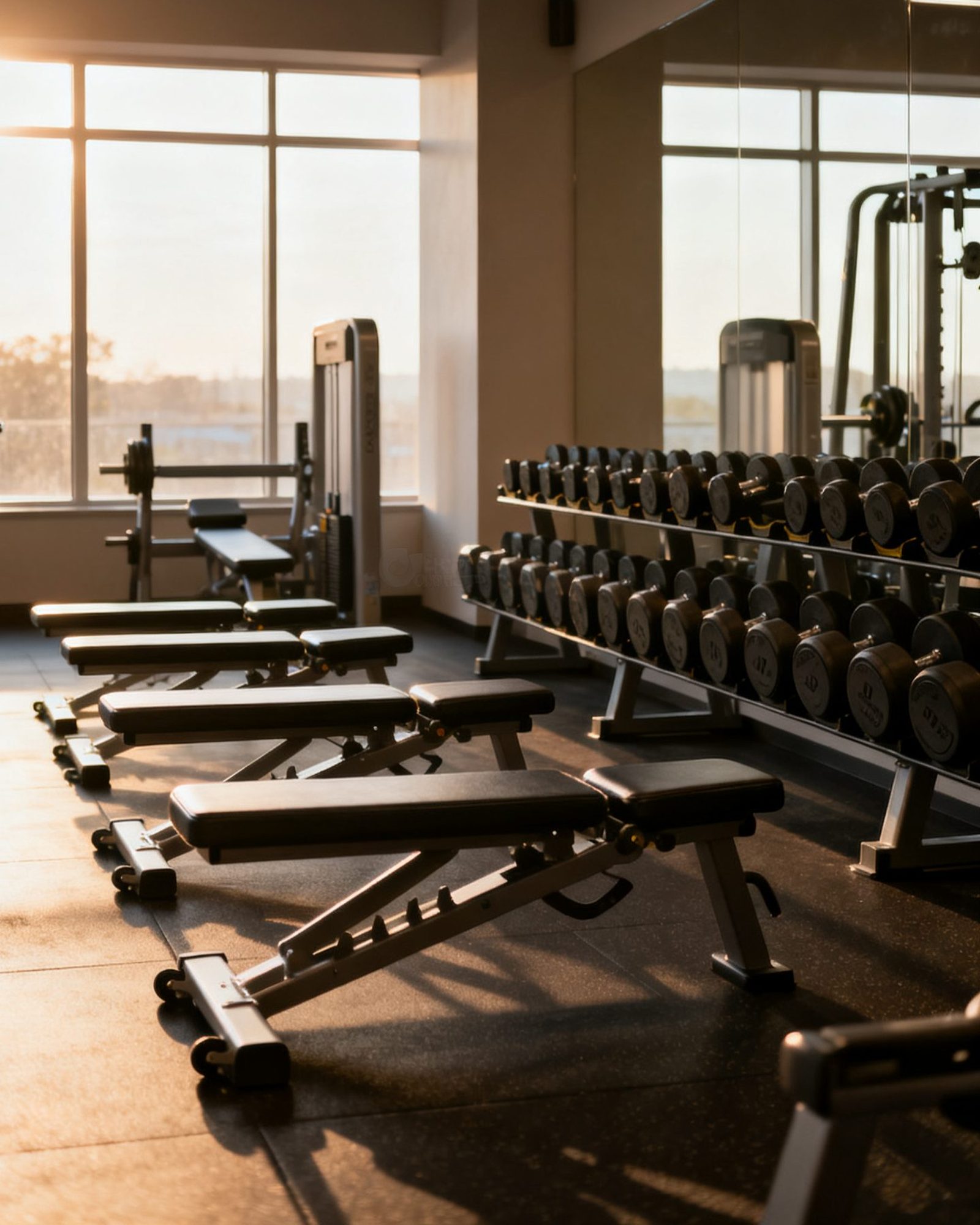
Your first week, gym etiquette, what to bring, how the machines work, feeling at ease, choosing a gym and working with a trainer.
7 guides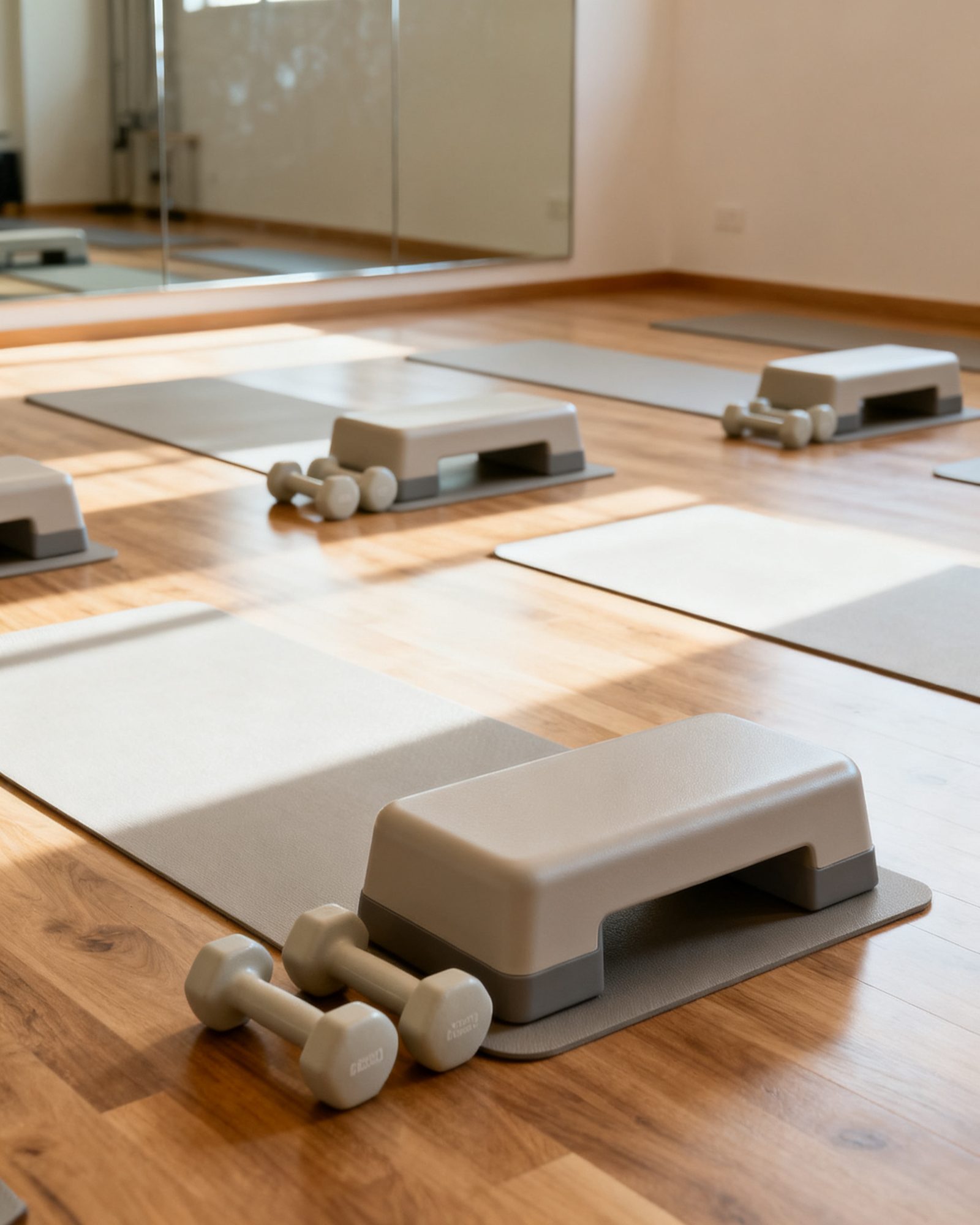
Spin, HIIT, Pilates, yoga, Zumba and dance fitness, and barre - what each class is, what happens in it and who it suits.
7 guides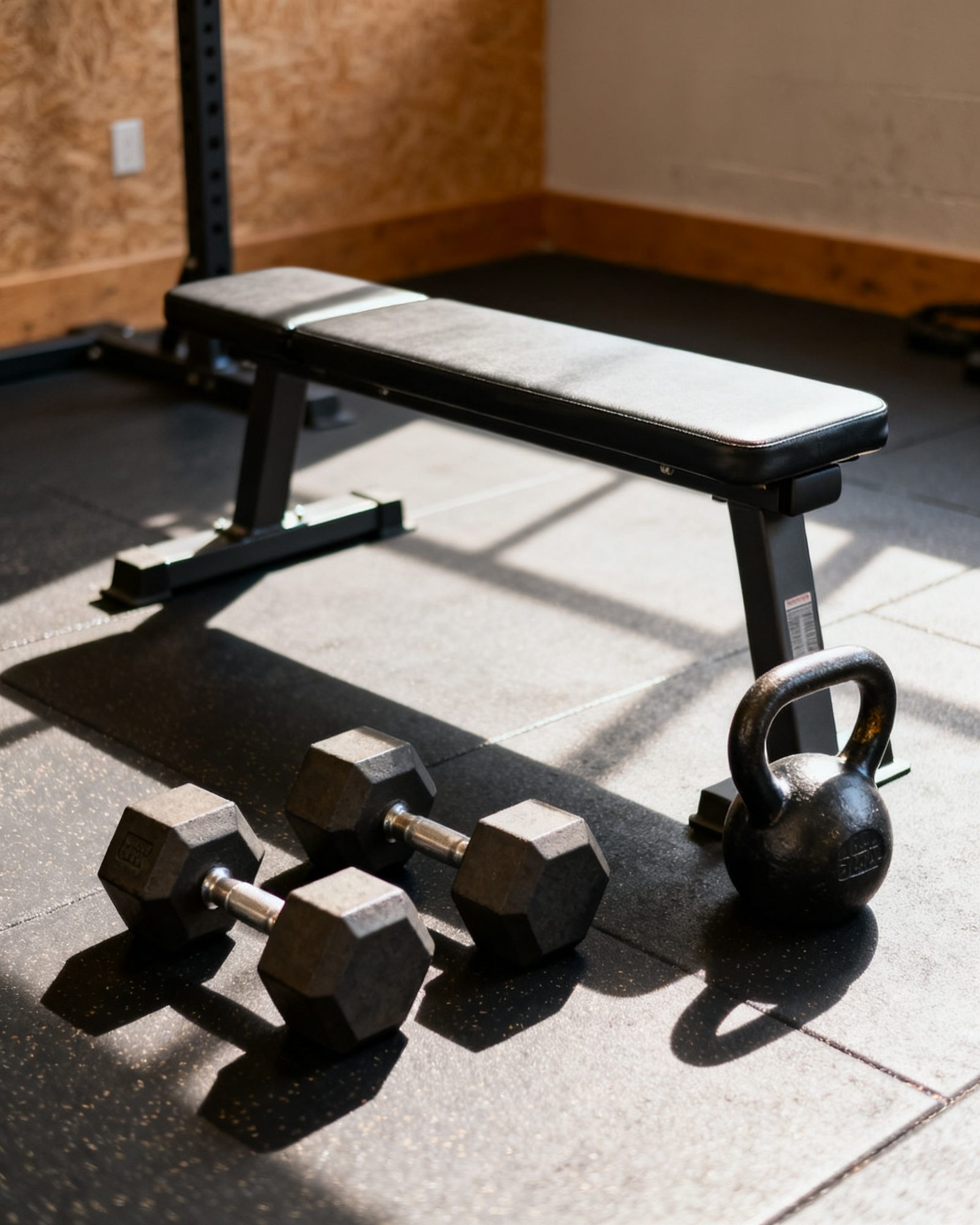
Form basics, sets and repetitions, progressive overload, sample weekly plans, free weights or machines, and the myths women hear.
6 guides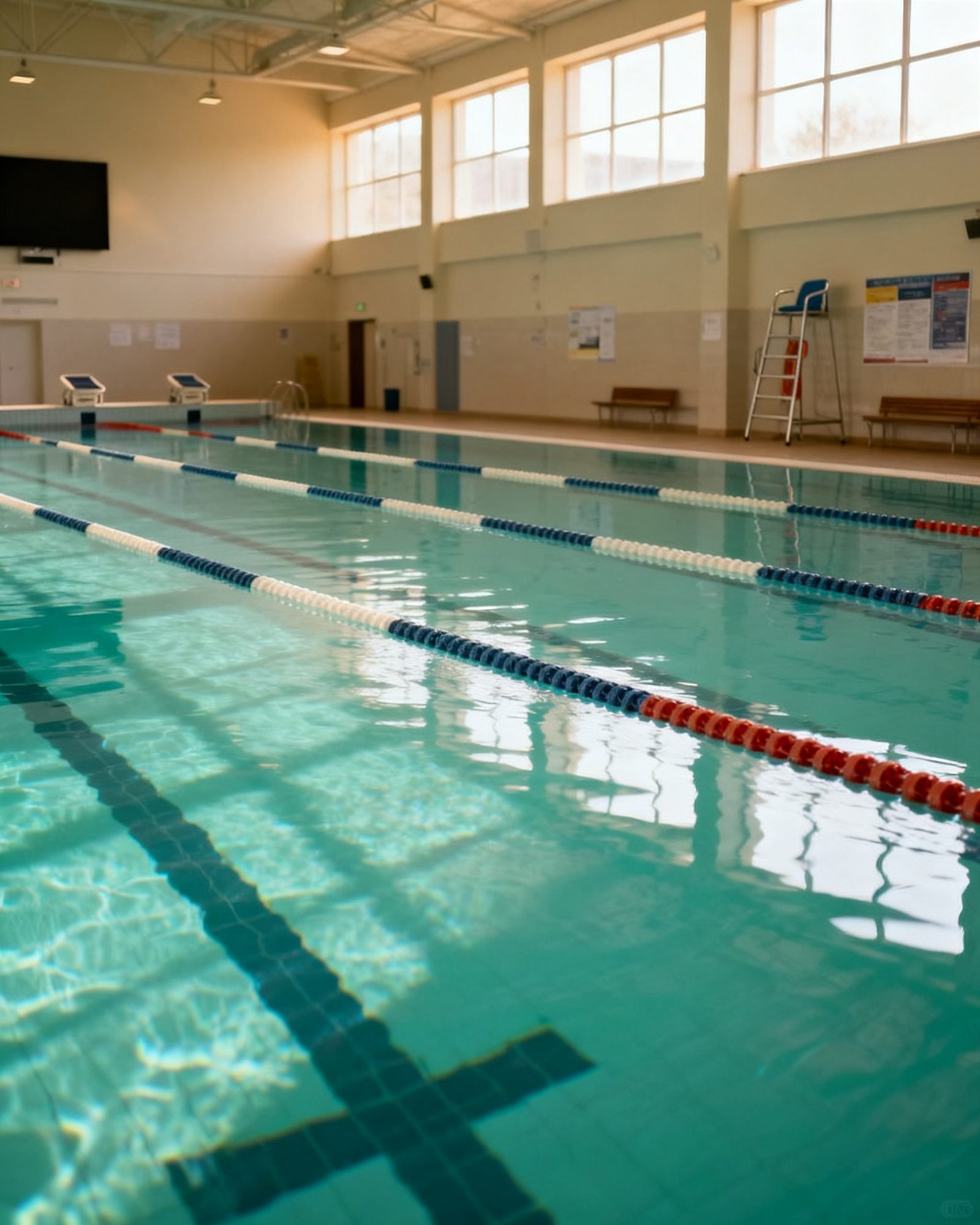
Swimming as exercise, aqua aerobics, walking, the elliptical, bike and rower, how hard cardio should feel, and how much activity adults need.
6 guides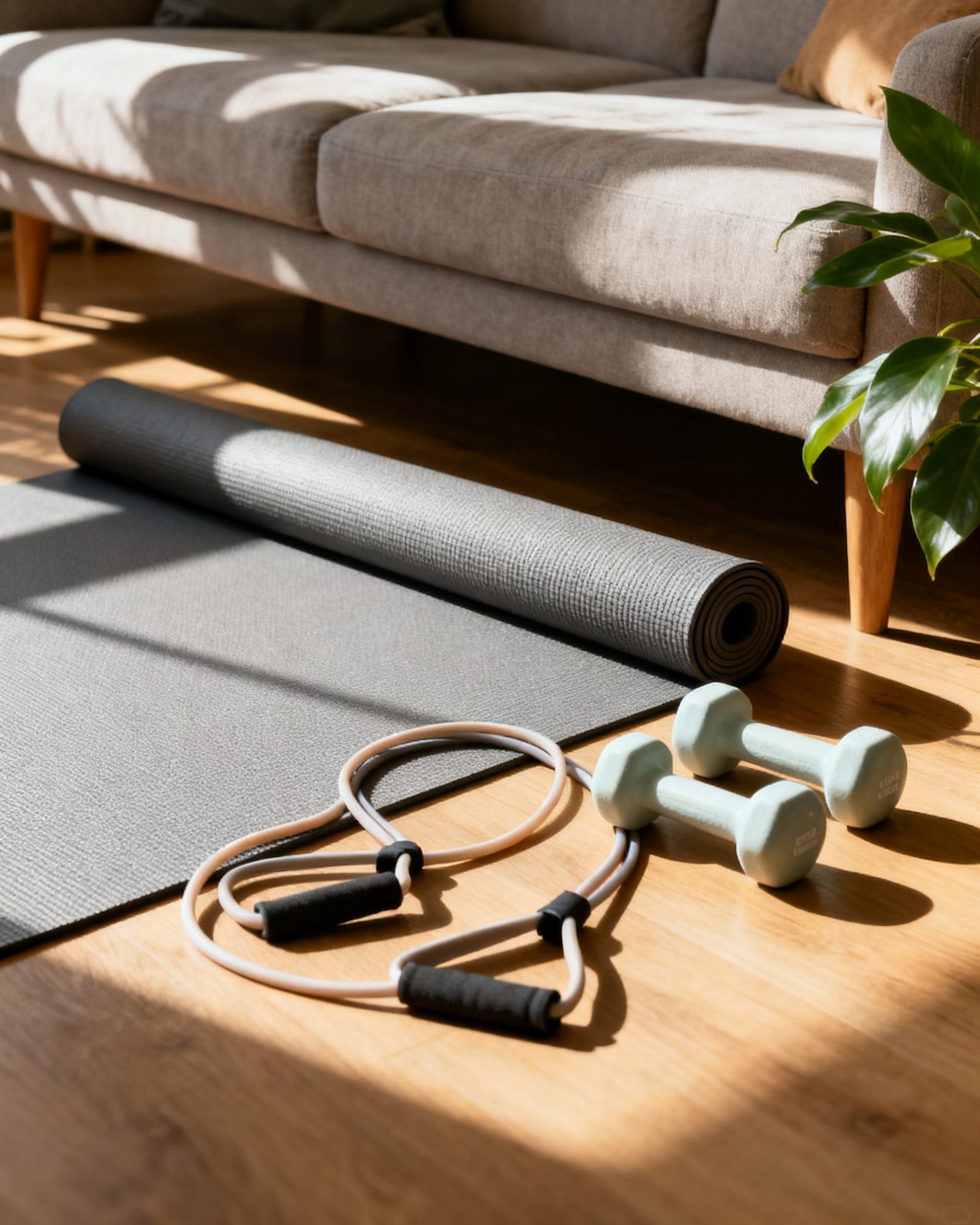
Workouts with little or no equipment, the kit worth having, stretching, warming up and cooling down, rest days, sleep and staying consistent.
6 guidesWhat a barre class is really like, from warm-up to mat work and the shake. Learn how barre compares to Pilates and yoga, and how to prepare for your first class.
Water aerobics is a moderate-intensity class in the pool. Learn what happens, what to wear, how it feels, and how to start with confidence.
A sample beginner weekly workout plan with 2-day and 3-day full-body strength schedules, sets, reps, rest, warm-up and how to progress safely.
A practical guide to choosing a gym: what to check on a tour, questions to ask, how to read a membership contract, and how to compare gym types without pressure.
Compare spin, HIIT, Pilates, yoga, Zumba, barre, aqua aerobics and circuit classes: what each involves, effort, joint impact and how to pick a first class.
Free weights vs machines for beginners: compare learning curve, safety, stability and results. Learn how to combine both, use a spotter and avoid common mistakes.
Nervous about the gym? Practical ways to feel calmer as a beginner: quieter times, a simple plan, inductions, headphones, and what to do if anxiety feels heavy.
Some activity is better than none, and any length counts. Start where you are.
How much exercise you needYour first week, gym etiquette, what to bring, how the machines work, feeling at ease, choosing a gym and working with a trainer.
A practical guide to choosing a gym: what to check on a tour, questions to ask, how to read a membership contract, and how to compare gym types without pressure.
Nervous about the gym? Practical ways to feel calmer as a beginner: quieter times, a simple plan, inductions, headphones, and what to do if anxiety feels heavy.
New to the gym? Learn the unwritten rules of gym etiquette, from wiping equipment to sharing machines, so you feel confident and respectful on every visit.
Spin, HIIT, Pilates, yoga, Zumba and dance fitness, and barre - what each class is, what happens in it and who it suits.
What a barre class is really like, from warm-up to mat work and the shake. Learn how barre compares to Pilates and yoga, and how to prepare for your first class.
Compare spin, HIIT, Pilates, yoga, Zumba, barre, aqua aerobics and circuit classes: what each involves, effort, joint impact and how to pick a first class.
What HIIT is, what happens in a beginner class, how hard to push, how to make moves low impact, and how to fit HIIT into a safe week.
Form basics, sets and repetitions, progressive overload, sample weekly plans, free weights or machines, and the myths women hear.
A sample beginner weekly workout plan with 2-day and 3-day full-body strength schedules, sets, reps, rest, warm-up and how to progress safely.
Free weights vs machines for beginners: compare learning curve, safety, stability and results. Learn how to combine both, use a spotter and avoid common mistakes.
Learn proper lifting form for squats, hip hinges, pushes and pulls. Plain cues, breathing, common faults and fixes, and when to lower the weight or ask a doctor.
Swimming as exercise, aqua aerobics, walking, the elliptical, bike and rower, how hard cardio should feel, and how much activity adults need.
Water aerobics is a moderate-intensity class in the pool. Learn what happens, what to wear, how it feels, and how to start with confidence.
How hard cardio should feel: the talk test, the Borg exertion scale and CDC target heart rate ranges for moderate and vigorous exercise.
The US and NHS activity guidelines in plain words: how many minutes a week, how hard, how to count any activity, and how to build up from little or nothing.
Workouts with little or no equipment, the kit worth having, stretching, warming up and cooling down, rest days, sleep and staying consistent.
Start home workouts for beginners with no equipment. Learn bodyweight moves, a sample session, safety tips, and how to progress at your own pace.
A plain guide to home workout equipment for beginners: which mat, bands, dumbbells and step are worth having, what each adds, and what to skip.
How many rest days you need, what muscle soreness after a workout means, how DOMS works, and how sleep and active recovery help you train at home.
No. It is an independent guide with no gym, classes or memberships, and it has no connection with the Athena Sport & Fitness club that once used this web address.
With the first-week guide if you are joining a gym, or with the group classes guide if you would rather start in a class. If you are pregnant, injured or have a health condition, ask your doctor first.
Because the guides stick to what the public activity guidelines say, and those describe how much to move and how hard - not calories or body size. The focus is strength, fitness and feeling capable.