Water Aerobics for Beginners: What to Expect in the Pool
Water aerobics is a moderate-intensity class in the pool. Learn what happens, what to wear, how it feels, and how to start with confidence.
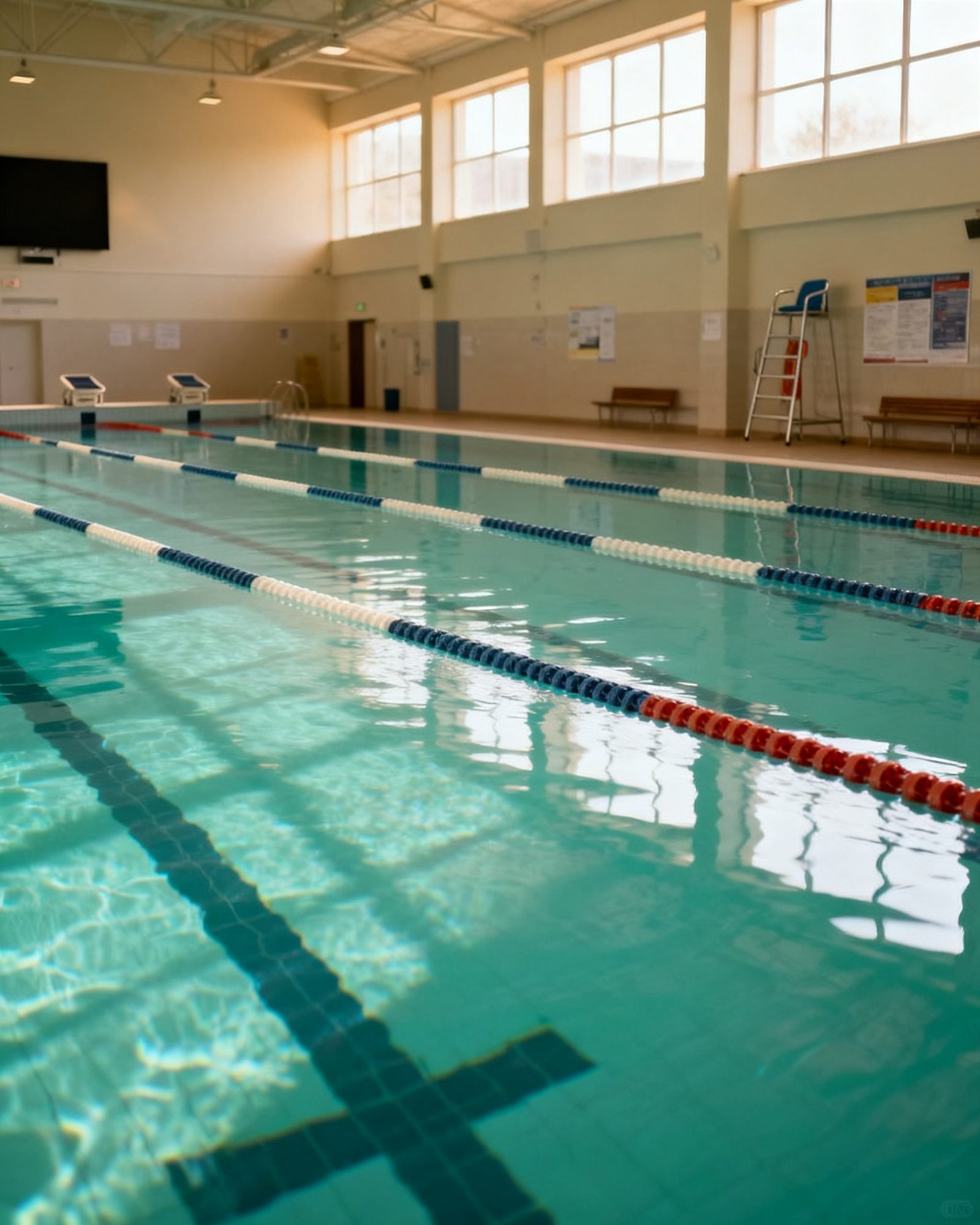
Water aerobics is exercise to music in waist- or chest-deep water, often with foam equipment. It is a low-impact way to raise your heart rate, move your whole body and build a little strength, and you do not need to swim or put your face in the water to take part. The CDC lists water aerobics as a moderate-intensity activity, which means it counts toward the weekly activity adults need. This guide explains what a class involves, how to prepare, and how to get the most from your first few sessions.
What a water aerobics class actually is
A typical aqua aerobics class, also called aqua fitness or water exercise, takes place in a pool with an instructor on the side or in the water. The instructor leads a warm-up, a main set of movements and a cool-down, all set to music. You move through the water, often in patterns: walking, marching, kicking, pushing your arms through the water, and using equipment for resistance. Most classes are held in shallow water where you can stand comfortably, so swimming is not required. Some pools offer deep-water classes where you wear a flotation belt and cannot touch the bottom; if you are not a confident swimmer, start in shallow water, and check the class description before you book.
Why the water changes the way exercise feels
Water supports part of your body’s weight, which reduces the load on your joints. That is why water exercise feels gentler than the same movements on land, and why it suits people who find walking or jumping uncomfortable. At the same time, water resists movement, so pushing your arms and legs through it works your muscles. The harder you push, the more resistance you create. You can make an exercise easier by moving slowly and keeping your hands close to your body, or harder by moving faster and opening your arms wide. The instructor will usually show both options.
Equipment you will see in the pool
Most pools provide the equipment, so you do not need to buy anything before your first class. Common items include:
| Equipment | What it does | How to use it |
|---|---|---|
| Noodle (foam tube) | Supports you in the water or adds resistance | Hold it under your arms for floating, or push it through the water for arm work |
| Foam dumbbells | Add resistance to arm and leg movements | Move them through the water slowly; the water provides the weight |
| Flotation belt | Keeps you upright in deep water | Wear it around your waist for deep-water classes |
| Kickboard | Supports your upper body while you kick | Hold it in front of you and kick across the pool |
If you are unsure how to hold or use a piece of equipment, ask the instructor before the class starts. That is what they are there for.
What to wear and what to bring
Wear a swimsuit you feel comfortable moving in. A one-piece or a modest two-piece both work. Some people wear a rash guard or a fitted T-shirt over their swimsuit. Bring a towel, a water bottle, and flip-flops or pool shoes for the deck. If your hair is long, tie it back or wear a swim cap. Goggles are not needed for most shallow-water classes, but they can help if you plan to put your face in the water. Arrive a few minutes early so you can find the changing room, stow your bag and get into the pool without rushing.
Who water aerobics suits
Water aerobics suits anyone who wants a moderate-intensity workout with less impact on the joints. It is popular with older adults, people returning to exercise after a break, and anyone who finds land-based classes too jarring. It is also a good choice if you are nervous about the gym or about group classes in general; the water hides your movements, and the class tends to be social and relaxed. If you are pregnant, have a joint problem, an injury, pain, a heart condition or any other health condition, talk to your doctor before starting or changing exercise. This site gives no programme for those situations. Sharp pain, chest pain, dizziness or unusual breathlessness means stop and get medical advice.
How hard should it feel?
Water aerobics is listed by the CDC as a moderate-intensity activity. That means you are breathing faster and your heart is beating faster, but you can still talk, though not sing. If you can chat comfortably, you can probably push a little harder; if you cannot say more than a few words without pausing, ease off. The same class can feel moderate for one person and vigorous for another, and that is normal. The instructor will offer easier and harder options for each move, so you can choose the level that feels right for you on the day. For other gentle ways to raise your heart rate and how to judge the effort, see low-impact cardio.
How water aerobics fits into your week
The US Physical Activity Guidelines recommend at least 150 to 300 minutes a week of moderate-intensity aerobic activity, or 75 to 150 minutes a week of vigorous activity, or a combination of the two. One way to reach 150 minutes is 30 minutes a day, 5 days a week. Water aerobics counts toward that total. Adults should also do muscle-strengthening activities on 2 or more days a week, Moving against the water gives the muscles some work, but water aerobics is counted as aerobic activity and does not replace strength work that targets all the major muscle groups. If you are new to exercise, start with one class a week and build up gradually. The guidelines dropped the old rule that activity had to come in bouts of at least 10 minutes, so activity of any length counts toward the weekly total.
Deep-water classes: what is different
In a deep-water class, you wear a flotation belt and exercise without your feet touching the bottom. The belt keeps you upright and your head above water. Deep-water classes often feel more like running or cross-country skiing in the water, and they can feel more demanding than shallow-water classes because there is no ground to push off. If you try one, tell the instructor it is your first time so they can help you adjust the belt and show you the basic positions. If you are not a confident swimmer, start with a shallow-water class and try deep water later.
Pool exercises you can do on your own
If you want to practice between classes, simple pool exercises include walking across the pool, marching in place, leg kicks while holding the side, arm pushes through the water, and squats or lunges in waist-deep water. Keep movements slow and controlled, and remember to breathe. You can do these in any shallow pool, but swim where a lifeguard is on duty and do not swim alone. For more structured pool time, see swimming for fitness.
What goes wrong, and how to avoid it
Going too hard in the first class. The water makes exercise feel easier than it is, so you may push harder than you realize. Start with the easier options and see how you feel the next day.
Skipping the warm-up. The instructor will lead a warm-up, but arrive on time so you do not miss it. A warm-up of at least 5 to 10 minutes at light to moderate intensity helps you move better.
Holding your breath. It is easy to hold your breath when you concentrate on a new movement. Breathe out during the effort and in as you return.
Using equipment incorrectly. A noodle under the arms is for support; a noodle pushed through the water is for resistance. Ask if you are unsure.
Ignoring pain. Muscle soreness after a new class is normal, but sharp or sudden pain, pain in a joint, swelling, or pain that does not ease is not. Stop and talk to a doctor or physiotherapist.
Comparing yourself to others. Everyone in the pool is working at their own level. Choose the option that suits you and let the rest go.
Before you book
Check the class level and the pool depth. Ask whether the class is in shallow or deep water, and whether you need to bring anything. If you have any health condition, are pregnant, or are unsure whether exercise is right for you, talk to your doctor first. Many pools offer a beginner-friendly aqua class; if you are choosing between formats, group fitness classes explained can help you compare. And if you want low-impact options outside the pool, low-impact cardio covers the elliptical, bike, rower and walking.
Common questions
Do I need to know how to swim for water aerobics?
No. Most shallow-water classes are held in waist- to chest-deep water where you can stand, so swimming is not required. Deep-water classes use a flotation belt where you cannot touch the bottom; if you are not a confident swimmer, start with a shallow-water class and check the class description first.
What should I wear to my first water aerobics class?
Wear a swimsuit you feel comfortable moving in. A rash guard or fitted T-shirt over your swimsuit is fine. Bring a towel, a water bottle and pool shoes for the deck. Goggles are optional for shallow-water classes.
Is water aerobics a good workout?
Yes. The CDC lists water aerobics as a moderate-intensity activity, which means it raises your heart rate and breathing and counts toward the weekly activity guidelines. The water adds resistance, so your muscles work too.
Can I do water aerobics if I have joint pain?
Water supports part of your body weight, which reduces the load on your joints, so many people with joint pain find it comfortable. However, if you have joint pain or any health condition, talk to your doctor before starting or changing exercise.
How often should I do water aerobics?
Adults should aim for at least 150 to 300 minutes a week of moderate-intensity activity, such as water aerobics, spread over the week. If you are new to exercise, start with one class a week and build up gradually.
Read next
Moderate Intensity Exercise: Talk Test and Heart Rate Zones
How hard cardio should feel: the talk test, the Borg exertion scale and CDC target heart rate ranges for moderate and vigorous exercise.
How Much Exercise Do You Need? Guidelines in Plain Words
The US and NHS activity guidelines in plain words: how many minutes a week, how hard, how to count any activity, and how to build up from little or nothing.
Low Impact Cardio: Elliptical, Bike, Rower and Walking
Compare low impact cardio options like walking, elliptical, stationary bike, rowing and swimming. Learn safe machine setup, session structure and weekly mixing.