Swimming for Beginners: Adult's Guide to the Pool
New to lap swimming? Learn strokes, kit, lane etiquette and how to build up gently, plus pool safety and how swimming fits adult activity guidelines.
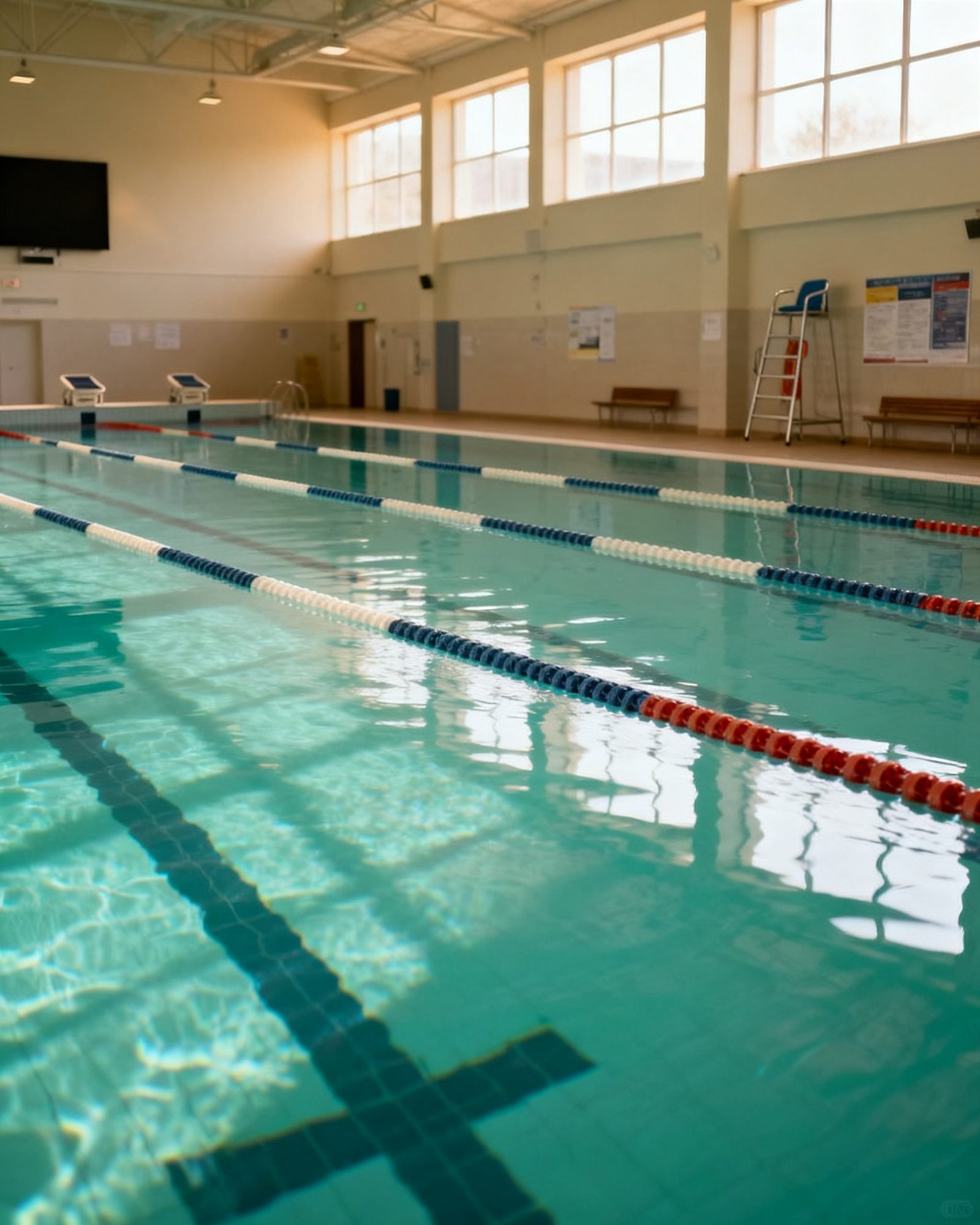
Swimming is a friendly choice of aerobic exercise for many beginners. The CDC lists swimming laps as vigorous-intensity activity, which means that, when it feels vigorous for you, a shorter swim can count as much toward the weekly activity target as a longer brisk walk. Water supports part of your body weight, so the joints carry less load, and the water’s resistance makes every movement work the muscles. If you are learning to swim as an adult, or returning to the pool after years away, the plan is simple: start with short swims and rests at the wall, learn one stroke well, and add a little each week.
Why the pool suits beginners
Swimming is low-impact: buoyancy takes some of your weight, and there is no pounding on the ground. That makes it a friendly first cardio choice if walking or running feels jarring. It also builds aerobic fitness and works the muscles of the back, shoulders, chest, arms, legs and abdomen.
Adults need at least 150 to 300 minutes a week of moderate-intensity aerobic activity, or 75 to 150 minutes a week of vigorous activity, or a mix of the two, according to the US Physical Activity Guidelines. Swimming laps counts as vigorous, so a shorter session goes further toward that total. Water aerobics counts as moderate. If you prefer a class format, aqua aerobics is a gentle way to start moving in water with music and an instructor.
Learning or relearning to swim as an adult
Many adults never learned to swim, or learned as children and lost confidence. Adult lessons are common and worth it. Look for a pool that runs adult beginner or adult improvers lessons, and tell the instructor what you can and cannot do. A good first goal is comfort: floating, putting your face in the water, breathing out under water, and moving a few strokes at a time.
You do not need to swim a full length without stopping. Short repeats with rest at the wall are a legitimate workout. For example, swim one length, rest at the wall until your breathing settles, then swim back. Build from there.
The main strokes at a glance
| Stroke | What it looks like | Good for | Beginner notes |
|---|---|---|---|
| Front crawl (freestyle) | Face down, alternating arms, flutter kick, breathing to the side | Building fitness; the stroke most lap swimmers use | Learn to breathe out under water first; turn to breathe in |
| Breaststroke | Face forward, arms sweep out and together, frog kick | A steady, unhurried pace; you can see ahead | Timing takes practice; glide between strokes |
| Backstroke | On your back, alternating arms, flutter kick | A change from face-down swimming; easier breathing | Watch the ceiling, not the feet; stay in your lane |
| Elementary backstroke | On your back, arms and legs move together | A restful stroke for beginners | Simple to learn; good for recovery lengths |
Start with one stroke and add a second when the first feels manageable. A lesson or two can correct habits early.
What to take to the pool
A short kit list keeps the first visit simple:
- A swimsuit that stays put when you push off the wall.
- Goggles that seal without pressing hard on the eyes.
- A swim cap if your pool asks for one or if hair in your face bothers you.
- A towel, flip-flops for the poolside, and a water bottle.
- A lock for a locker, and a bag for wet kit afterwards.
The general packing list in what to bring to the gym covers the rest.
Pool etiquette and choosing a lane
Lane swimming has a few unwritten rules, and most pools post them on a board.
- Pick a lane that matches your speed. Many pools label lanes slow, medium and fast. If unsure, ask the lifeguard.
- Follow the lane direction the pool posts. Many pools ask swimmers to keep to one side, often the right, so swimmers going opposite ways do not meet head-on.
- Check before you push off. Let a faster swimmer pass at the wall rather than mid-length.
- Rest at the wall, not in the middle of the lane.
- Share a lane by splitting it (each swimmer keeps to one side) or circling (everyone swims in the same direction). Ask the other swimmer which they prefer.
If a lane feels intimidating, choose a quiet time or ask the lifeguard which lane suits a beginner.
Building up without overdoing it
Start below your limit. A first session might be a few short swims with rests, plus time spent getting comfortable in the water. Add a little each week rather than jumping from one length to many.
A simple structure for a beginner session:
- Get in and walk, float or swim very easily for 5 to 10 minutes to warm up.
- Swim a short repeat, then rest at the wall until breathing is comfortable.
- Repeat for the main part of the session.
- Finish with easy movement and a stretch.
Warm up for at least 5 to 10 minutes at light to moderate intensity before a session, and cool down for at least 5 to 10 minutes afterwards, per ACSM guidance. Stretching works best when muscles are warm, so stretch after swimming rather than before.
How hard should it feel?
Use the talk test. Moderate intensity means you can talk but not sing. Vigorous intensity means you cannot say more than a few words without pausing for breath. Swimming laps is listed as vigorous, but the same swim can feel moderate to one person and vigorous to another. If you are new, aim for a pace where you could hold a short conversation at the wall. The full picture of heart rate and effort is in how hard should cardio feel.
Pool safety and hygiene
- Swim where a lifeguard is on duty, and do not swim alone.
- Shower before swimming, and try not to swallow pool water.
- Do not swim when you have diarrhea.
- Stop and get medical advice for chest pain or pressure, fainting, severe breathlessness or dizziness.
If you are pregnant, postpartum, injured, in pain, or have a heart or other health condition, talk to your doctor before starting or changing exercise. This guide gives no programme for those situations.
What goes wrong, and how to avoid it
Going too hard on the first visit. New swimmers often try to swim length after length and leave exhausted or discouraged. Swim short repeats with rest at the wall instead.
Holding your breath. Breathing out under water and in above it makes front crawl far easier. Practice at the wall first.
Skipping the warm-up. Easy movement before swimming helps you settle in. ACSM recommends at least 5 to 10 minutes of warm-up.
Ignoring lane rules. Swimming down the middle of a shared lane causes collisions. Pick a lane that matches your speed and follow the pool’s direction rules.
Treating soreness as injury. Delayed onset muscle soreness after unfamiliar exercise usually begins 12 to 24 hours later and is often worst 24 to 72 hours afterwards, then eases. Sharp or sudden pain, joint pain, swelling, or pain that does not ease is not normal soreness: stop and talk to a doctor or physiotherapist.
Believing you must be a strong swimmer to start. Adult lessons and short repeats are a normal way in. You do not need to be fast or graceful to get fitter in the pool.
Where swimming fits in a weekly plan
Adults should also do muscle-strengthening activities that work all major muscle groups on 2 or more days a week, according to the US Physical Activity Guidelines. Swimming is aerobic; add strength work on other days. If you also use gym cardio machines, low-impact cardio explains how the elliptical, bike, rower and walking compare. Spread activity across the week, and remember that some activity is better than none.
Common questions
Do I need to be a good swimmer to swim for fitness?
No. Adult lessons and short repeats with rest at the wall are a normal way to start. Begin with one stroke and build up gradually.
How many times a week should I swim?
Adults need at least 150 to 300 minutes a week of moderate activity or 75 to 150 minutes of vigorous activity, or a mix. Swimming laps is vigorous, so a few short sessions can add up. Spread activity across the week.
What should I bring to my first swim?
A swimsuit, goggles, a towel, flip-flops, a water bottle and a lock for a locker. A swim cap if your pool asks for one. See the gym bag checklist for the rest.
Is swimming safe if I have a health condition?
Talk to your doctor before starting or changing exercise if you are pregnant, postpartum, injured, in pain, or have a heart or other health condition. Stop and get medical advice for chest pain, dizziness or severe breathlessness.
Why do I get out of breath so quickly in the pool?
New swimmers often hold their breath or go too hard. Breathe out under water, breathe in above it, and rest at the wall between short swims. Effort should feel manageable.
Read next
Water Aerobics for Beginners: What to Expect in the Pool
Water aerobics is a moderate-intensity class in the pool. Learn what happens, what to wear, how it feels, and how to start with confidence.
Moderate Intensity Exercise: Talk Test and Heart Rate Zones
How hard cardio should feel: the talk test, the Borg exertion scale and CDC target heart rate ranges for moderate and vigorous exercise.
How Much Exercise Do You Need? Guidelines in Plain Words
The US and NHS activity guidelines in plain words: how many minutes a week, how hard, how to count any activity, and how to build up from little or nothing.