What to Bring to the Gym: A Beginner's Bag Checklist
A practical checklist of what to bring to the gym for your first visits: clothes, shoes, water, towel, lock, swim kit and the small things that make it easier.
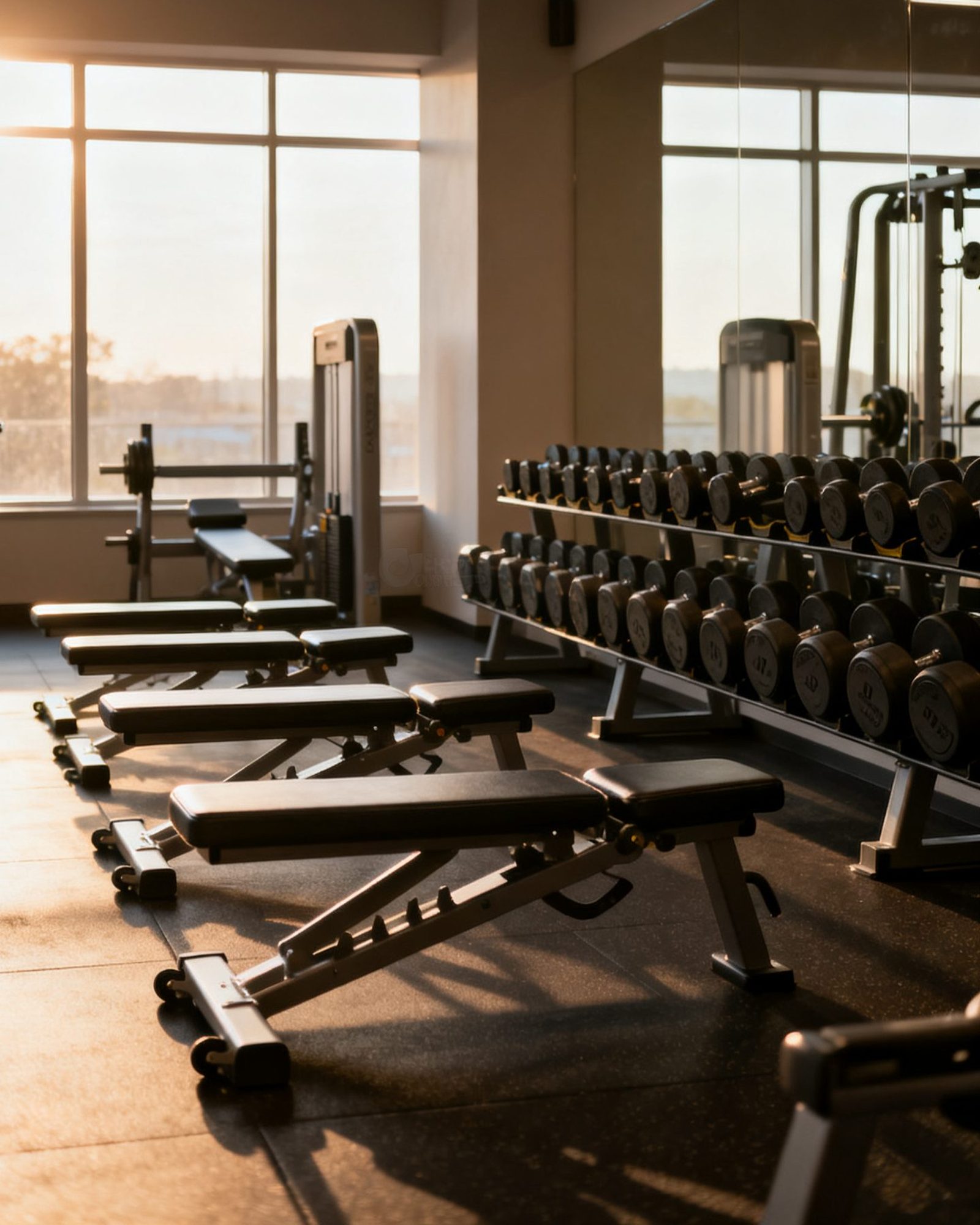
Packing for the gym is simpler than it looks: comfortable clothes you can move in, supportive shoes for what you plan to do, a water bottle, a towel, a lock for a locker, and anything specific to your session such as swimwear and goggles for the pool or grip socks for a studio class. The list below covers the essentials and the nice-to-haves, so you can pack once and feel ready.
The core gym bag checklist
| Item | Why it helps | Notes |
|---|---|---|
| Clothes you can move in | Lets you squat, reach and stretch without adjusting | Leggings or shorts and a top that stays put; layers for cooler rooms |
| Supportive sports bra | Reduces bounce and keeps you comfortable | Try it on and move around; seams should not rub |
| Trainers for the gym floor | Cushioning and grip for walking, machines and classes | Flat soles are better for lifting; some classes are done barefoot |
| Water bottle | Easy to sip between sets and during class | Fill it before you leave home |
| Small towel | Wipes equipment and your face | Many gyms ask you to wipe machines after use |
| Lock | Keeps your things safe in the locker room | Check whether the gym uses key or combination locks |
| Swimwear and goggles | For pool sessions | A swim cap if your pool asks for one |
| Mat or grip socks | For studios that ask for them | Check the class description before you go |
| Headphones | For solo sessions on cardio machines | Keep the volume low enough to hear announcements |
| Any medication your doctor has told you to carry | For your own safety | Follow your doctor’s advice |
What to wear to the gym
Choose clothes that let you move without thinking about them. A top that does not ride up, bottoms that stay in place when you squat or step, and a sports bra that supports you are the basics. Fabric that wicks sweat is comfortable but not essential. Layers help because you may warm up quickly and cool down between sets.
For shoes, think about the activity. Trainers with some cushioning suit walking, the cardio machines and most group classes. For strength work, flat soles give you a more stable base. Some classes, such as yoga or Pilates, are done barefoot or in grip socks. If you are unsure, ask at the front desk or check the class description.
Shoes for different sessions
| Activity | What to wear on your feet |
|---|---|
| Gym floor and cardio machines | Trainers with cushioning and grip |
| Strength training | Flat-soled shoes for stability |
| Yoga, Pilates, barre | Barefoot or grip socks, as the studio prefers |
| Swimming | Pool shoes or flip-flops for the poolside |
| Indoor cycling | Trainers; some bikes take clip-in shoes, but trainers work |
The small things that make a difference
A lock, a towel and a water bottle are easy to forget and make a real difference. A small padlock for the locker keeps your bag safe while you are on the floor. A towel is for wiping equipment after use and for drying off after a shower. Water is for sipping throughout your session; fill your bottle before you leave home.
If you are heading to the pool, pack swimwear, goggles and a towel. A swim cap is useful if your pool requires one. Shower before you swim, do not swim when you have diarrhea, and try not to swallow pool water. For more on pool sessions, see swimming for fitness.
For studio classes, check whether you need a mat or grip socks. Some gyms provide mats; others ask you to bring your own. A small towel is handy for wiping your mat. If you are trying Pilates for beginners, the class description will tell you what to bring and what the studio provides.
Headphones are useful for solo cardio, but keep the volume low enough to hear announcements. A hair tie or clip is easy to forget. A small bag for wet swimwear or a sweaty towel keeps the rest of your bag dry.
Packing for your first week
Your first visits are about getting familiar with the space. Pack light: clothes, shoes, water, towel, lock and headphones. Add swim kit or studio kit only if you have booked a session that needs it. A simple bag that you can repack quickly makes it easier to go again. For a calm plan for your first visits, see your first week at the gym.
What goes wrong (and how to avoid it)
Forgetting a lock. Many gyms sell locks at the front desk, but it is easier to keep one in your bag. A small combination lock means no key to lose.
Wearing the wrong shoes. Running shoes are fine for the treadmill but less stable for lifting. If you plan to lift, flat soles are better. If you forget, you can still train; just be aware that cushioning can make balance feel different.
Overpacking. A heavy bag is harder to carry and makes the trip feel like a chore. Start with the core list and add items as you find you need them.
Not checking the class requirements. Some studios ask for grip socks or a mat. A quick look at the class description saves a scramble.
Ignoring your doctor’s advice. If your doctor has told you to carry medication or an inhaler, keep it with you. If you have a health condition, are pregnant or postpartum, or are returning from injury, talk to your doctor before starting or changing exercise. Stop and seek medical advice for chest pain, dizziness, severe breathlessness or sharp pain.
Worrying about what others think. Most people are focused on their own session. Comfortable clothes and a water bottle are all you really need to fit in.
A quick pre-gym check
- Clothes you can move in, plus a supportive sports bra
- Shoes for your activity
- Water bottle, filled
- Towel
- Lock
- Swim kit or studio kit if needed
- Headphones
- Any medication your doctor has advised
- Hair tie
Keep this list on your phone or in your bag. After a few visits, packing becomes automatic.
Common questions
What should I bring to the gym for the first time?
For a first visit, bring comfortable clothes, supportive shoes, a water bottle, a towel and a lock. If you are doing a class, check whether you need a mat or grip socks. A small bag with these basics is enough.
Do I need special shoes for the gym?
Trainers with cushioning and grip work for most gym activities. For strength training, flat soles give you a more stable base. Some classes are done barefoot or in grip socks, so check the class description.
What should I wear to the gym?
Wear clothes that let you move freely: a top that stays in place, bottoms that do not ride up, and a supportive sports bra. Layers help you adjust to different room temperatures. Most gyms ask only for suitable sportswear and closed shoes on the gym floor, but rules vary, so check your gym's policy.
Do I need to bring my own mat to Pilates or yoga?
Some studios provide mats and others ask you to bring your own. Check the class description or ask at the front desk. A small towel is useful for wiping your mat.
What if I forget something, like a lock or towel?
Many gyms sell or lend small items like locks and towels at the front desk. It is not a disaster. Keep a small kit in your bag so you are less likely to forget next time.
Read next
How to Choose a Gym: What to Check Before You Join
A practical guide to choosing a gym: what to check on a tour, questions to ask, how to read a membership contract, and how to compare gym types without pressure.
Gym Anxiety: How to Feel at Ease as a Beginner
Nervous about the gym? Practical ways to feel calmer as a beginner: quieter times, a simple plan, inductions, headphones, and what to do if anxiety feels heavy.
Gym Etiquette for Beginners: The Unwritten Rules
New to the gym? Learn the unwritten rules of gym etiquette, from wiping equipment to sharing machines, so you feel confident and respectful on every visit.